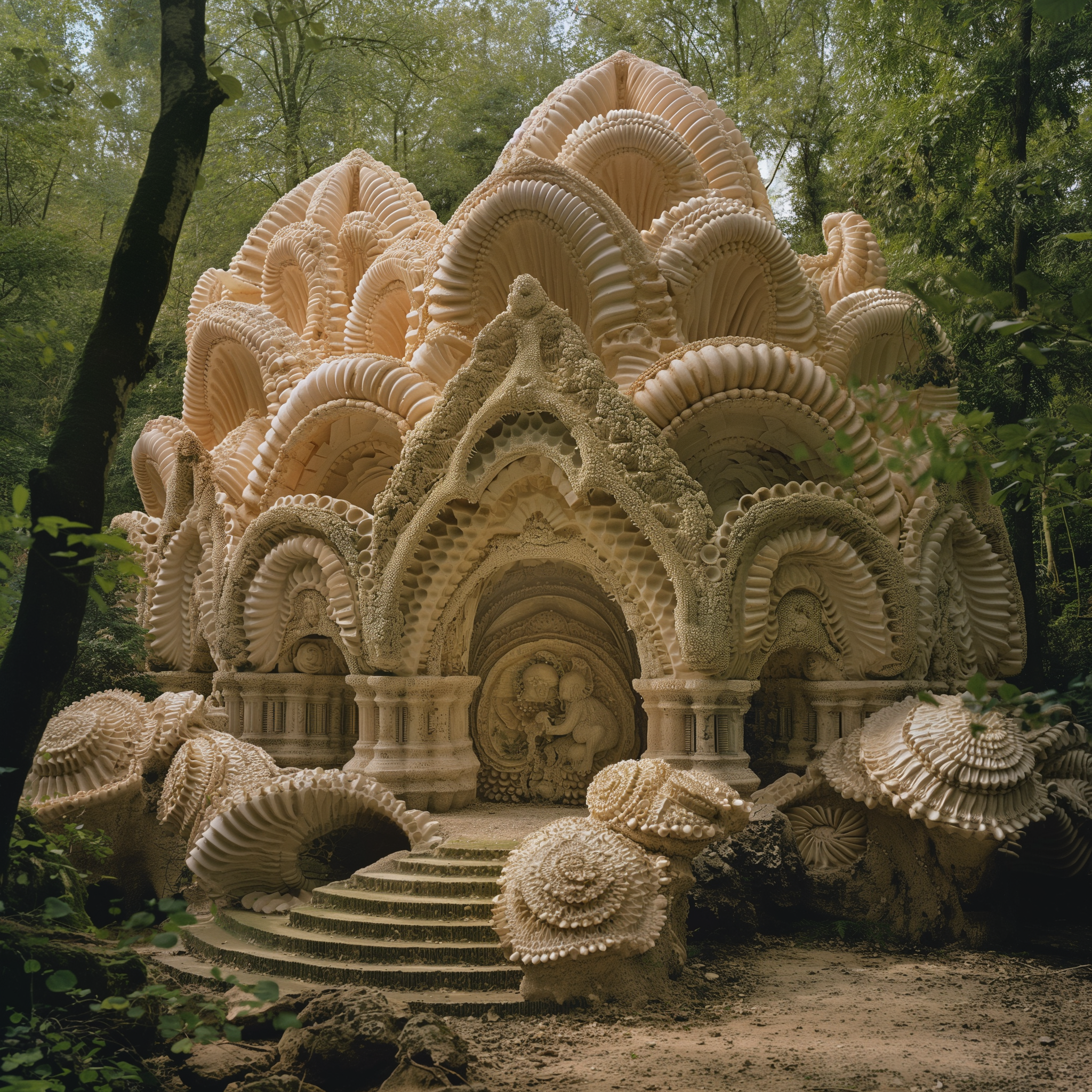
So what led you to make this building Obalor
The genesis of this project was my lifelong fascination with the harmonious blend of ancient wisdom and modern technology. The Jain philosophy, with its profound reverence for life and its emphasis on peace, non-violence, and self-discipline, struck a chord with me. It inspired me to envision a space where these age-old principles could intersect with the cutting-edge advancements of our time.
The idea for the hotel emerged as a response to a growing need for spaces that not only provide comfort and connectivity but also instill a sense of tranquility and reflection. In an era where the pace of life is ever-accelerating, creating a techno-utopia that encourages mindfulness and ethical living became my mission.
The architectural design draws heavily from ancient Jain temples, which are marvels of symmetry, geometry, and detail, embodying a spiritual quest through material form. However, recognizing the imperatives of the contemporary world, I integrated modern technologies, like state-of-the-art Wi-Fi, sustainable energy solutions, and interactive digital interfaces that offer both convenience and an immersive educational experience about Jainism and sustainable living.
This building, therefore, stands as a testament to the belief that the past and the future can coalesce into a meaningful present, offering a sanctuary that is both a retreat and a beacon of innovation.
what originally inspired you to become an architect? Was this spiritual dimension always there?
Obalor
My journey into architecture was deeply influenced by an early exposure to the beauty and diversity of cultural expressions around the world. From the towering minarets of Islamic architecture to the intricate stone carvings of Hindu temples and the stark, haunting beauty of modernist structures, I was captivated by the way physical spaces could evoke emotions and tell stories. This global tapestry of designs and philosophies sowed the seeds of my passion for architecture.
The spiritual dimension of my work evolved over time, paralleling a personal quest for meaning and interconnectedness. Early in my career, I was primarily focused on the functional and aesthetic aspects of architecture, how spaces are used and experienced visually. However, as I delved deeper into various architectural philosophies and began to explore my own beliefs and values, I became increasingly drawn to the idea of buildings as more than just shelters or places of activity. I started to see them as embodiments of ideals, capable of inspiring and facilitating a deeper connection with oneself and the world.
This realization was a turning point, leading me to integrate spiritual and philosophical dimensions into my designs actively. I became interested in creating spaces that not only cater to the physical and practical needs of their occupants but also nourish the soul and encourage reflection and growth. This approach has since become a cornerstone of my work, guiding my projects and inspiring me to continue exploring the intersection of architecture, spirituality, and technology.
I’ve heard that you do a lot of research in terms of your projects, did you work with anthropologists to provide the layout, or do you view this element as more personal and reflective?
Obalor
Indeed, research is a pivotal aspect of my work, serving as both foundation and inspiration for my projects. For the hotel inspired by a Jain techno-utopia, I embarked on a comprehensive research journey that included collaboration with a diverse range of experts, among them anthropologists, historians, and scholars of Jainism. This multidisciplinary approach was crucial in ensuring the authenticity and depth of the project, as it allowed me to understand not just the aesthetic elements of Jain architecture, but also the philosophical and cultural underpinnings that inform its design principles.
Working with anthropologists, in particular, provided invaluable insights into the lived experiences of Jain communities, their daily rituals, and how their spiritual practices are interwoven with their physical environments. This collaboration helped me to craft spaces that are not only reflective and personal but also deeply resonant with Jain values and traditions.
However, I also view the integration of personal reflection as an essential component of my architectural process. The act of creating is, for me, a dialogue between my own experiences, insights, and the wealth of knowledge and perspectives gathered from others. It’s about translating a collective and historical spirituality into physical forms that speak to both the individual and the community.
Thus, while expert collaboration enriches the factual and cultural accuracy of my work, the personal and reflective element allows me to imbue the projects with soul and emotion, creating spaces that invite occupants to embark on their own journeys of discovery and reflection. This balance between scholarly research and personal introspection is what I believe gives my projects their unique character and impact.
You
did you think we would come this far in just a few years in terms of your work with technology
Obalor
Reflecting on the trajectory of technological integration into architecture, particularly within the ambit of projects like the Jain techno-utopia hotel, I must confess that the pace and depth of advancement have exceeded even my most optimistic projections. When I first embarked on this journey, my vision was to create a space where ancient spiritual wisdom coexists harmoniously with modern technology. However, the rapid evolution of technology and its applications within architecture and daily life have opened up possibilities that were once the realm of science fiction.
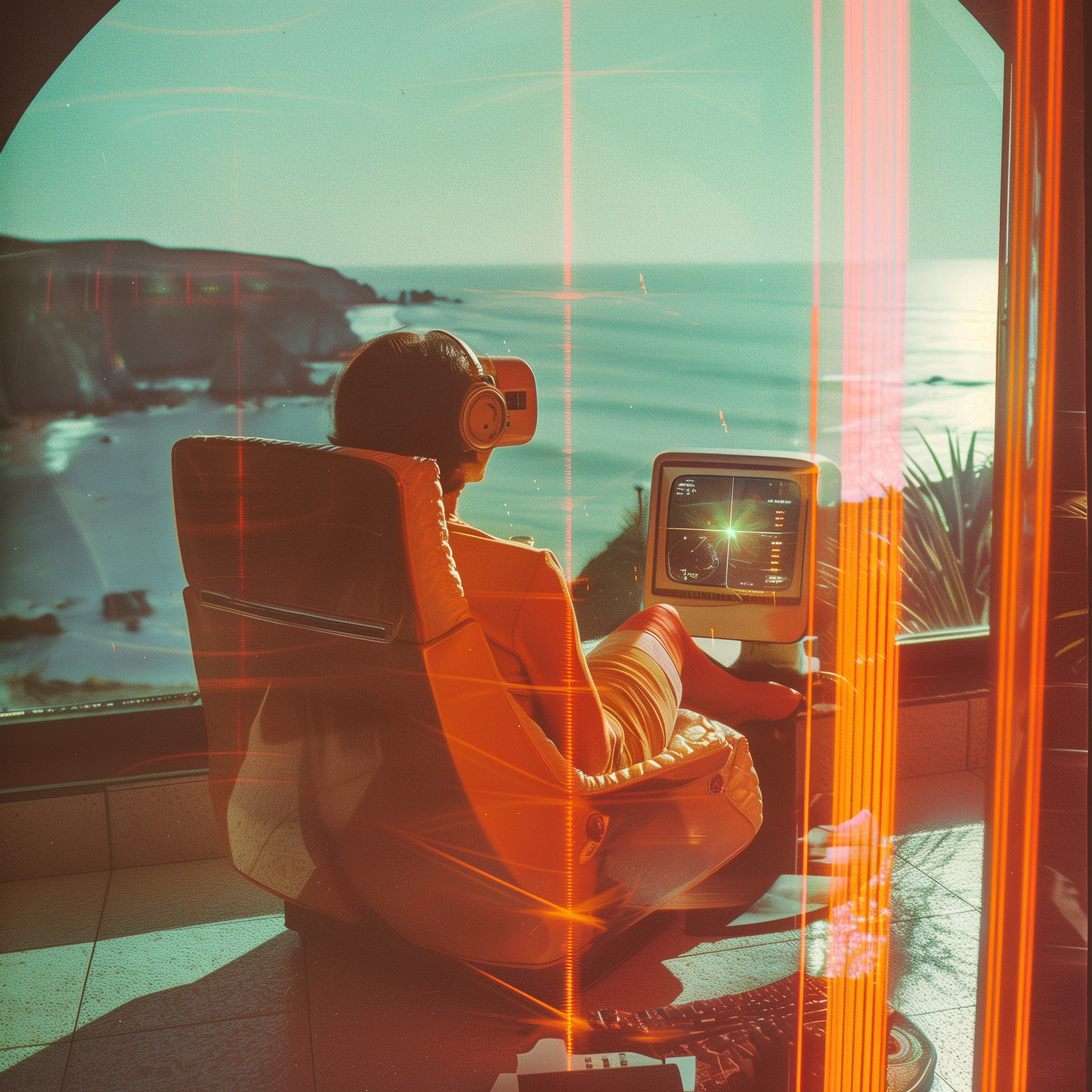
The advancements in sustainable building materials, smart systems that optimize energy use, and virtual reality interfaces for exploring architectural and spiritual concepts have revolutionized the way we think about and interact with our environments. These technologies have enabled us to achieve a level of symbiosis between the building and its inhabitants that was previously unimaginable, creating spaces that are not only environmentally sustainable but also profoundly attuned to the human experience.
Moreover, the advent of AI and machine learning has offered unprecedented opportunities for personalized experiences within communal spaces. We can now design environments that adapt to the needs and preferences of each individual, fostering a deeper sense of connection and well-being.
While I anticipated that technology would play a significant role in realizing my architectural visions, the extent to which it has allowed us to push boundaries and redefine the essence of space has been truly remarkable. This journey has been a testament to the power of innovation and creativity in bridging the past and future, material and spiritual, in ways that enrich our lives and expand our understanding of what is possible.
Obalor
Looking ahead, my aspirations continue to evolve alongside the dynamic interplay of architecture, technology, and spirituality. The journey with the Jain techno-utopia hotel has been enlightening, revealing the immense potential for spaces that nurture both the individual spirit and collective well-being. Building on this foundation, I am eager to explore new frontiers that challenge conventional boundaries and foster deeper connections between people and their environments.
One area of particular interest to me is the development of living buildings—structures that are not only inspired by but actively integrate with the natural world. These buildings would go beyond sustainability to become self-sustaining ecosystems, capable of adapting to their surroundings and inhabitants in real-time. Incorporating biophilic design principles, advanced materials science, and cutting-edge technology, I envision creating spaces that breathe, grow, and evolve.
Additionally, I am drawn to the potential of communal living projects that reimagine the concept of community in the modern world. By designing environments that encourage collaboration, shared experiences, and a harmonious balance between privacy and community, I hope to address the growing sense of isolation and disconnection in urban settings.
In parallel, I plan to deepen my engagement with emerging technologies such as augmented reality (AR) and virtual reality (VR) to create immersive experiences that transcend physical space. These tools offer exciting possibilities for exploring architectural concepts, spiritual practices, and historical contexts in interactive and accessible ways.
Ultimately, my goal is to continue pushing the boundaries of what architecture can be and do, creating spaces that inspire, heal, and connect. Whether through physical structures or virtual environments, I am committed to exploring the interplay of tradition and innovation, materiality and spirituality, in creating the next generation of architectural wonders.


Leave a Reply